
You are here
European Peace Institute / News

The International Peace Institute is an independent, non-profit organization working to advance solutions for a peaceful planet.
Updated: 2 days 3 hours ago
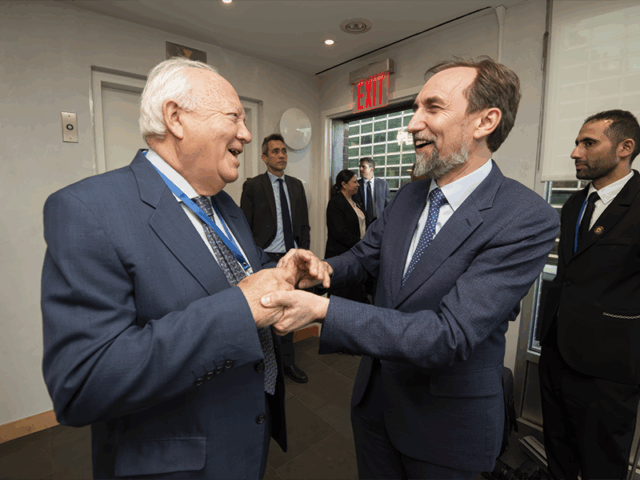
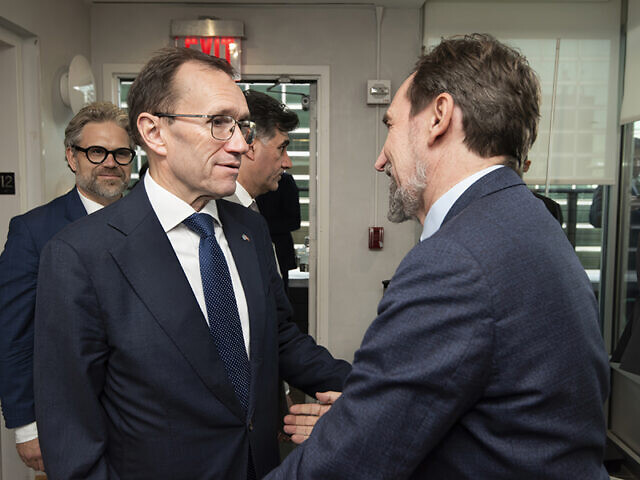
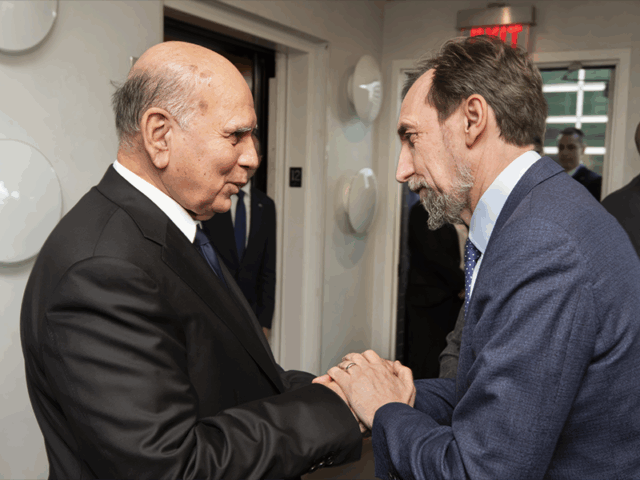
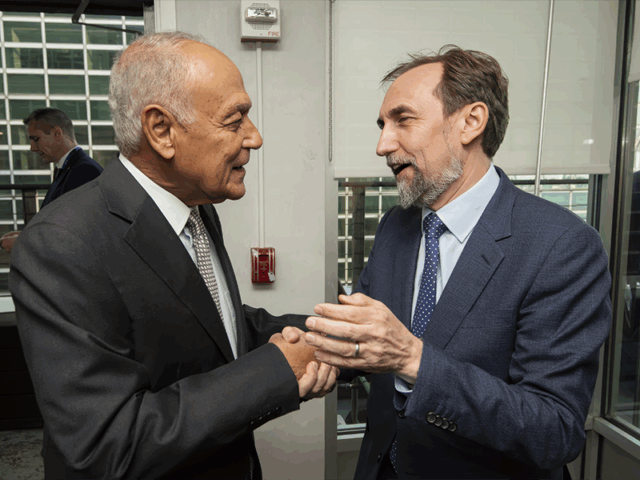
IPI Hosts Foreign Ministers, Officials at 20th Annual Middle East Dinner
Photos

jQuery(document).ready(function($){$("#isloaderfor-jsicxt").fadeOut(300, function () { $(".pagwrap-jsicxt").fadeIn(300);});});
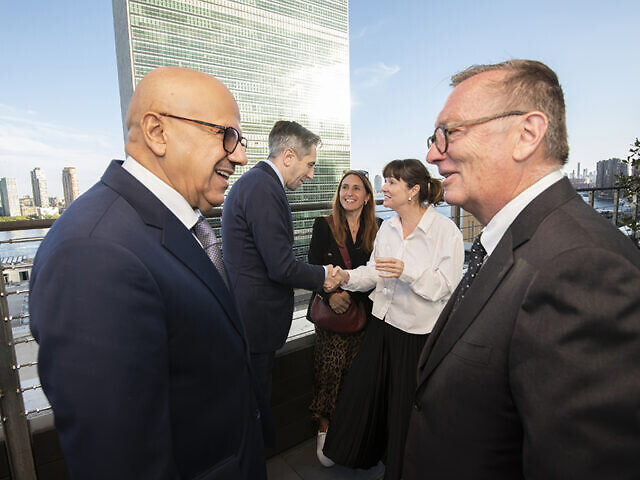
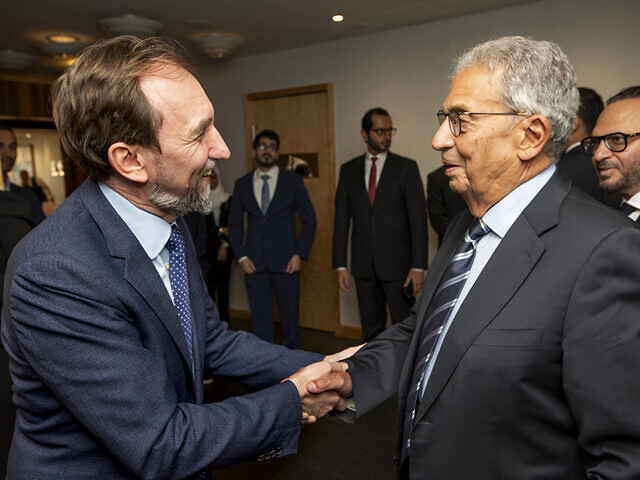
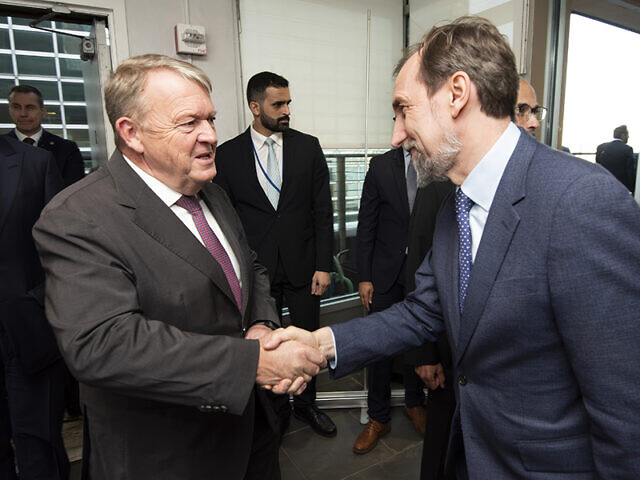
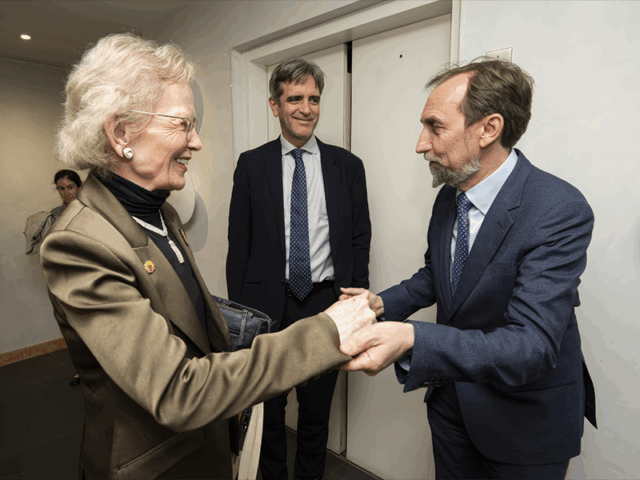
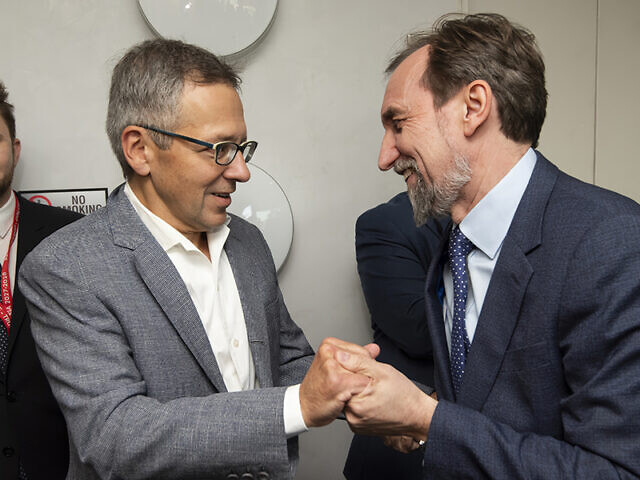
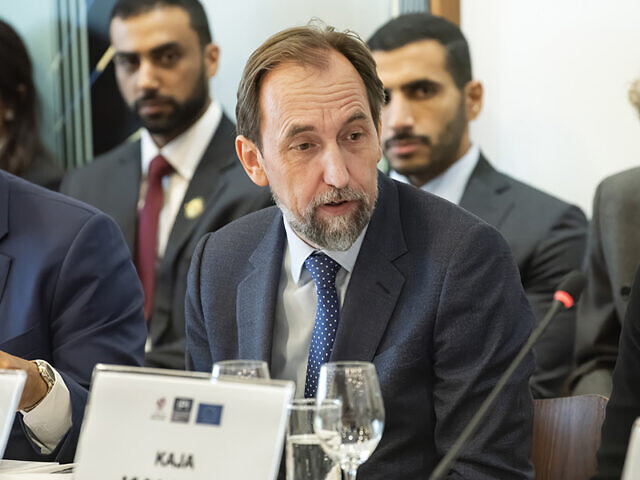
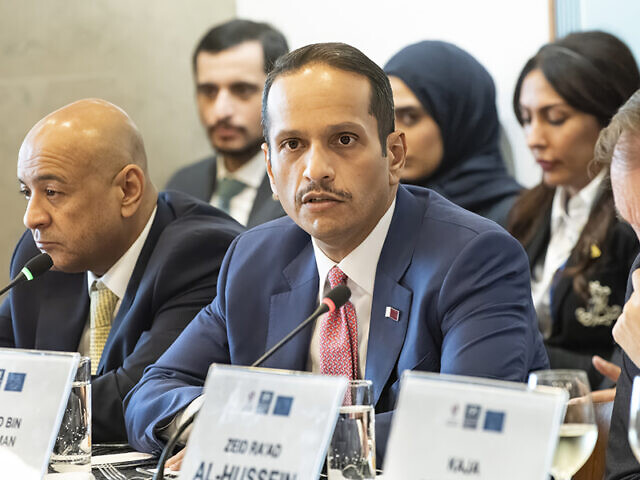
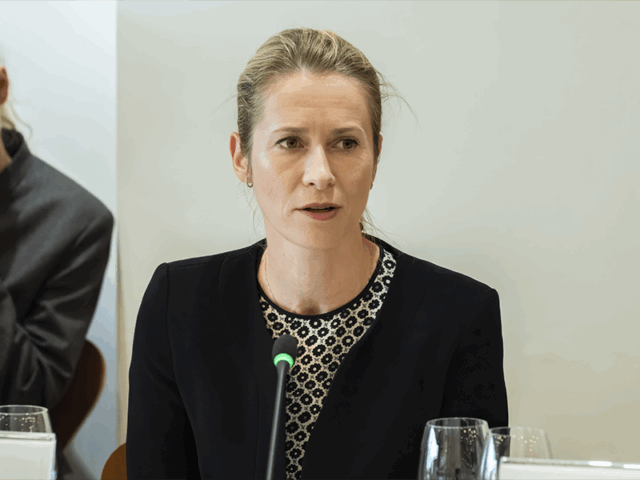
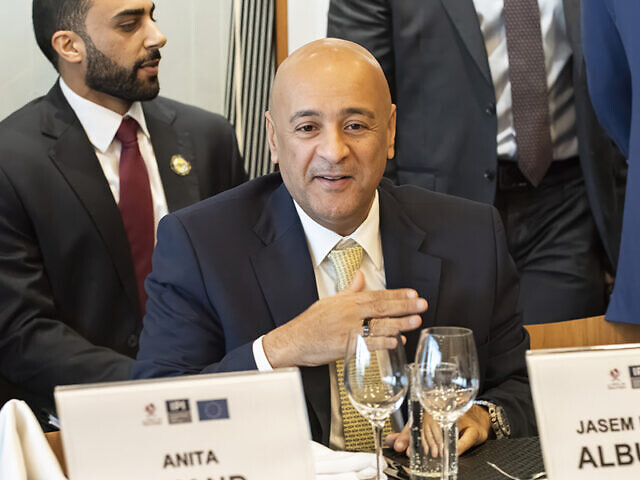
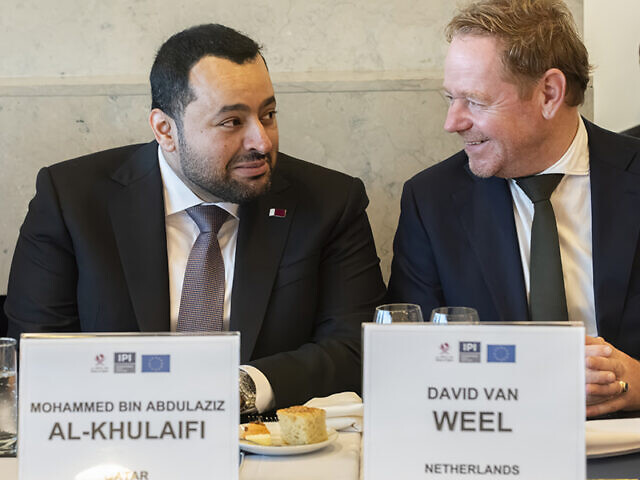
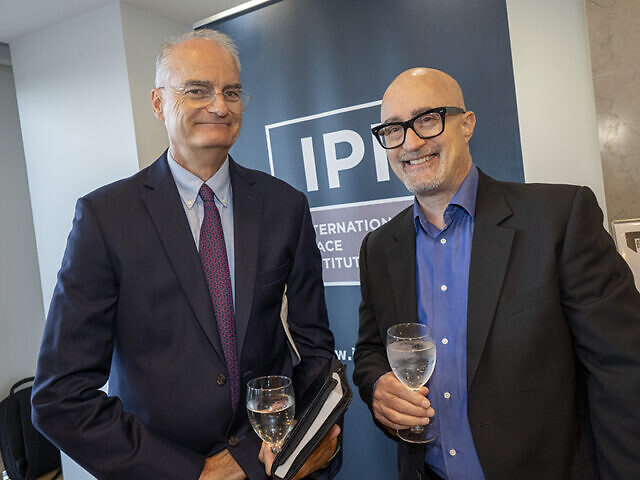
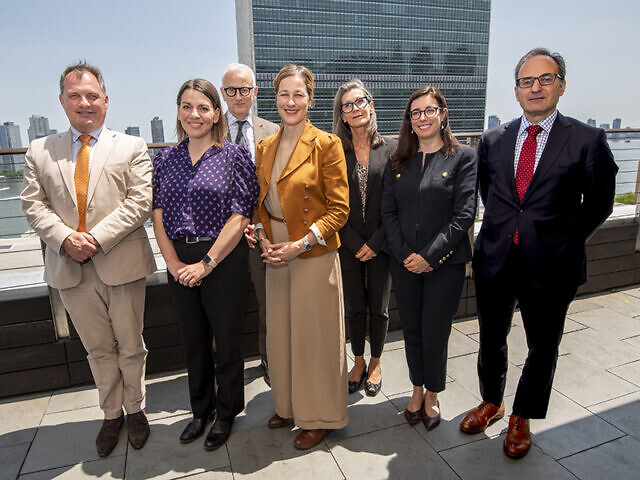
On Sunday, September 21, 2025, IPI held its twentieth annual Ministerial Working Dinner on the Middle East in its Trygve Lie Center for Peace, Security, and Development. The dinner drew the participation of foreign ministers and other high-level representatives.
The event was chaired by IPI President Zeid Ra’ad Al Hussein and co-hosted by Qatar and the European Union, represented respectively by Sheikh Mohammed bin Abdulrahman Al-Thani, Prime Minister and Foreign Minister of Qatar, and Kaja Kallas, High Representative for Foreign Affairs and Security Policy and Vice-President of the European Commission.
Participants had a frank discussion, off the record, on regional issues held under the Chatham House Rule.
Attendees included Badr Ahmed Mohamed Abdelatty, Minister for Foreign Affairs of the Arab Republic of Egypt; Jasem Mohamed AlBudaiwi, Secretary General of the Gulf Cooperation Council; Sheikh Abdulaziz Al-Hinai, Ambassador-at-Large, Sultanate of Oman; Mohammed bin Abdulaziz Al-Khulaifi, Minister of State of the State of Qatar; Prince Faisal bin Farhan Al-Saud, Minister of Foreign Affairs of the Kingdom of Saudi Arabia; Abdullah Ali Al-Yahya, Foreign Minister of the State of Kuwait; Abdullatif bin Rashid Al Zayani, Minister for Foreign Affairs of the Kingdom of Bahrain; Anita Anand, Minister for Foreign Affairs of Canada; Xavier Bettel, Deputy Prime Minister and Minister of Foreign Affairs and European Affairs of Luxembourg; Ignazio Cassis, Head of the Federal Department of Foreign Affairs of the Swiss Confederation; Espen Barth Eide, Minister of Foreign Affairs of Norway; Hakan Fidan, Minister of Foreign Affairs of the Republic of Türkiye; Ahmed Aboul Gheit, Secretary General of the League of Arab States; Simon Harris, T.D., Tánaiste (Deputy Prime Minister) and Minister for Foreign Affairs and Trade; and Minister for Defence of Ireland; Fuad Mohammad Hussein, Minister for Foreign Affairs of the Republic of Iraq; Diego Martínez Belío, Deputy Foreign Minister and State Secretary for Foreign and Global Affairs, Spain; Beate Meinl-Reisinger, Federal Minister for European and International Affairs of the Republic of Austria; Sabine Monauni, Deputy Prime Minister and Minister for Foreign Affairs, Environment, and Culture of the Principality of Liechtenstein; Youssef Raggi, Minister of Foreign Affairs and Emigrants of Lebanon; Lars Løkke Rasmussen, Minister for Foreign Affairs of Denmark; Ayman Safadi, Deputy Prime Minister and Minister for Foreign Affairs and Expatriates of the Hashemite Kingdom of Jordan; Mr. Sugiono, Minister for Foreign Affairs of Indonesia; David van Weel, Minister for Foreign Affairs of the Kingdom of the Netherlands.
Also present were Ivonne Baki, Member of the Board of Directors, IPI; Ian Bremmer, President of Eurasia Group; Helen Clark, President of Chatham House; Rosemary A. DiCarlo, United Nations Under-Secretary-General for Political and Peacebuilding Affairs, UN DPPA; Comfort Ero, President & CEO of International Crisis Group; Jeffrey Feltman, John C. Whitehead Visiting Fellow in International Diplomacy in the Foreign Policy program, Brookings Institute; Mr. Tom Fletcher, Under-Secretary-General for Humanitarian Affairs and Emergency Relief Coordinator, UN OCHA; Anwar Gargash, Senior Diplomatic Advisor to the President of the United Arab Emirates; Philippe Lazzarini, Commissioner-General of the United Nations Relief and Works Agency for Palestine Refugees in the Near East, UN RWA; Miguel Moratinos, High Representative for the United Nations Alliance of Civilizations; Amr Moussa, Former Secretary General of the League of Arab States and member of IPI’s International Advisory Council; Binaifer Nowrojee, President of the Open Society Foundations; Mary Robinson, Former President of Ireland, former UN High Commissioner for Human Rights, and Member of The Elders; Dahlia Scheindlin, Policy Fellow, Century International; Juan Manual Santos, Chair of The Elders, former President of Colombia, and Nobel Peace Laureate; Alex Soros, Chair of the Open Society Foundations; Mirjana Spoljaric Egger, President of the International Committee of the Red Cross.
The post IPI Hosts Foreign Ministers, Officials at 20th Annual Middle East Dinner appeared first on International Peace Institute.
Categories: Diplomacy & Defense Think Tank News, European Union
The Role of Ad Hoc Security Initiatives and Enterprise Security Arrangements in the Protection of Civilians in Africa
African states and regional organizations have increasingly turned to new forms of African-led security arrangements that differ in mandate, composition, and structure from African Union (AU)–led peace support operations. These ad hoc security initiatives (ASIs) and enterprise security arrangements (ESAs) have provided flexible and rapid responses to complex security threats. However, they are heavily militarized and poorly aligned with evolving frameworks for the protection of civilians (POC).
This issue brief examines how ASIs and ESAs, while offering speed and adaptability, often lack civilian components, rely on external support, and do not consistently draw on a coherent normative framework for POC. As a result, protection frequently becomes secondary to counterinsurgency objectives, creating logistical weaknesses, alienating local populations, and reinforcing perceptions that protection is transactional or secondary to other interests. The brief highlights emerging practices—such as Rwanda’s deployment in Mozambique and the Multinational Joint Task Force’s Civil-Military Cooperation Cell—that suggest the potential for more protection-conscious approaches, though these remain uneven and underdeveloped.
The brief concludes that ASIs and ESAs are likely to remain features of Africa’s security landscape, but their effectiveness will remain limited unless they systematically integrate AU and UN POC frameworks. Stronger pre-deployment planning, the inclusion of AU civilian cells in the field, and alignment with broader political strategies are essential to ensure that these mechanisms contribute not only to counterinsurgency but also to the protection of civilians.
The post The Role of Ad Hoc Security Initiatives and Enterprise Security Arrangements in the Protection of Civilians in Africa appeared first on International Peace Institute.
Political Solutions to Political Problems: UN Peacekeeping Operations and Dialogue-Based Protection of Civilians in Communal Conflicts
With UN peacekeepers increasingly deployed in areas experiencing local-level conflicts that do not involve state forces, responding to communal violence has become an acute challenge for missions. Such contexts require peace operations to adopt a dialogue-based approach to the protection of civilians (POC), focused specifically on local political solutions.
This issue brief examines the engagement of the UN mission in the Central African Republic (MINUSCA) in the town of Batangafo, where communal violence between Christian and Muslim communities has been pervasive. It highlights how MINUSCA’s dialogue-based engagement helped reduce violence and strengthen local peace agreements. It identifies four lessons:
- Protecting civilians in the context of communal conflict requires political solutions—not just military ones.
- Continuous and proactive dialogue helps to prevent escalation and reinforce peace agreements.
- Economic incentives can be leveraged to encourage armed groups to commit to peace.
- Sustainable protection depends on aligning local and national peace processes.
The post Political Solutions to Political Problems: UN Peacekeeping Operations and Dialogue-Based Protection of Civilians in Communal Conflicts appeared first on International Peace Institute.
Categories: Défense, Diplomacy & Defense Think Tank News
Being Present Where It Counts: Peacekeeping Responsiveness to Violence against Civilians
UN peacekeeping missions are often criticized for failing to act when civilians are under threat. Yet recent empirical evidence suggests that peacekeepers can and do respond to violence by adjusting where and how they deploy forces in the field. This issue brief examines patterns of subnational deployment across African missions from 2012 to 2022, focusing on whether and how missions with protection of civilians (POC) mandates adjust their military presence in response to attacks on civilians. The findings indicate that peacekeeping missions are more likely to strengthen their presence in areas experiencing recent violence—especially violence perpetrated by non-state armed groups—but also respond to state-led violence, albeit less consistently. This responsiveness highlights the operational flexibility some missions can exercise and challenges the assumption that host-state consent fully constrains the implementation of POC mandates. The brief also underscores the need to assess peacekeepers’ behavior not only in terms of mandate design but also in terms of how missions adapt on the ground.
The brief concludes with important considerations for peacekeeping stakeholders committed to POC:
- Missions are often actively protecting civilians, with operational flexibility as a key ingredient.
- Host-state consent can constrain action, but missions can still act decisively; sustaining political consensus on POC is crucial.
- Mandates and planning frameworks must allow dynamic deployments so missions can adapt to evolving threats.
The post Being Present Where It Counts: Peacekeeping Responsiveness to Violence against Civilians appeared first on International Peace Institute.
Categories: Défense, Diplomacy & Defense Think Tank News
Art for Peace: IPI’s Exhibit of the “WISH TREE” by Yoko Ono
Photos








jQuery(document).ready(function($){$("#isloaderfor-fnomwk").fadeOut(300, function () { $(".pagwrap-fnomwk").fadeIn(300);});});
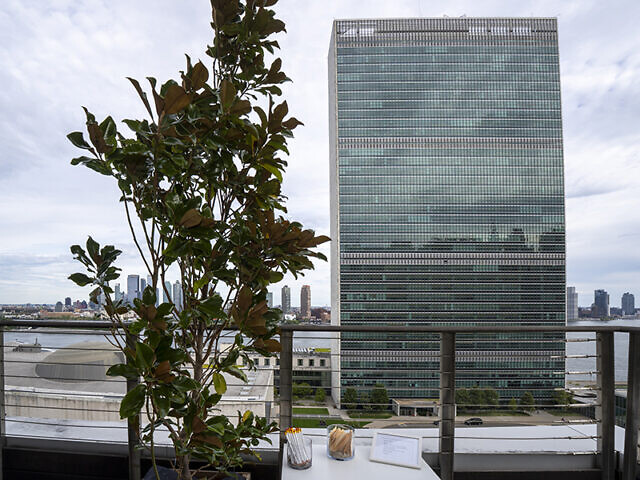
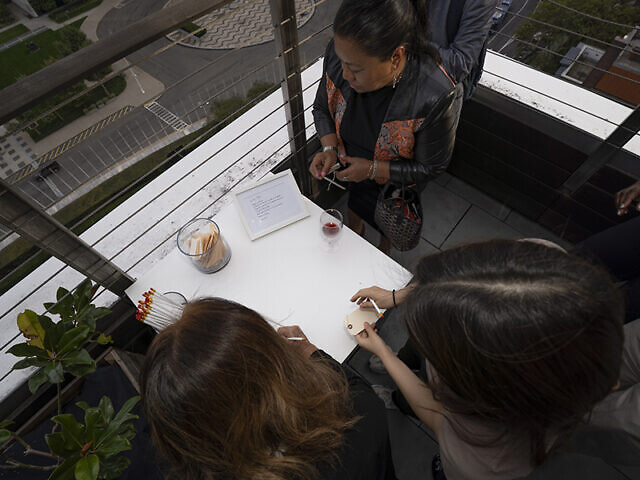
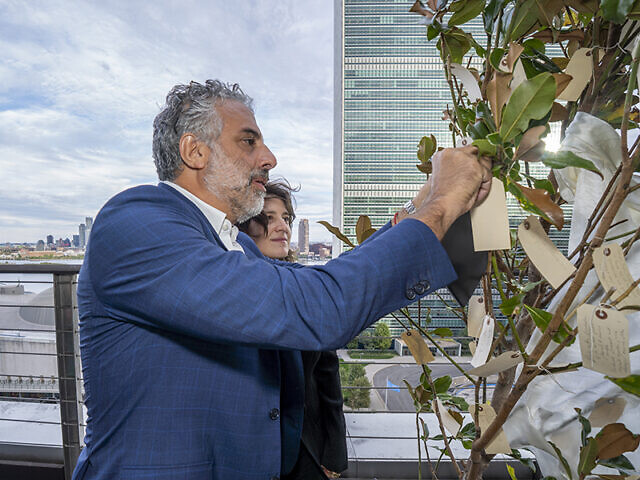
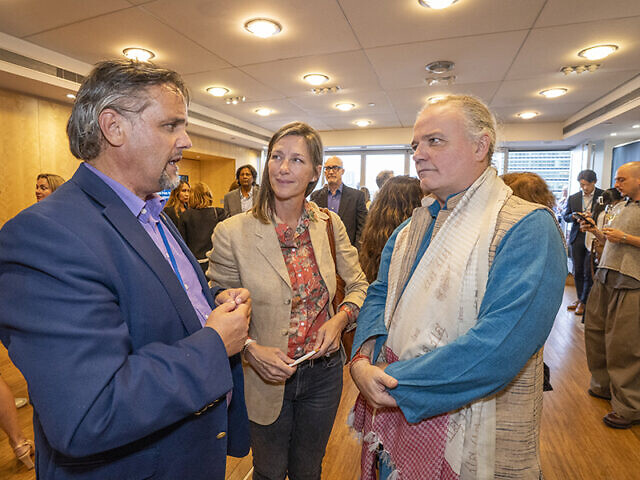
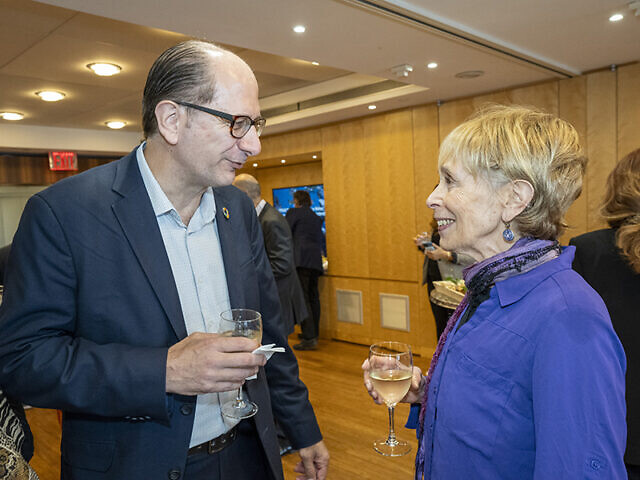
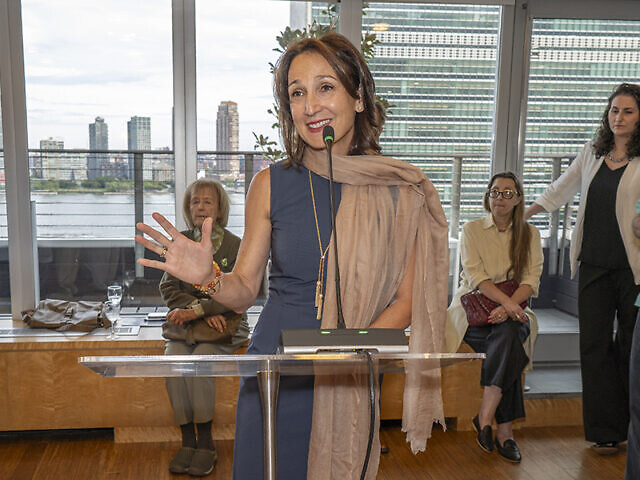
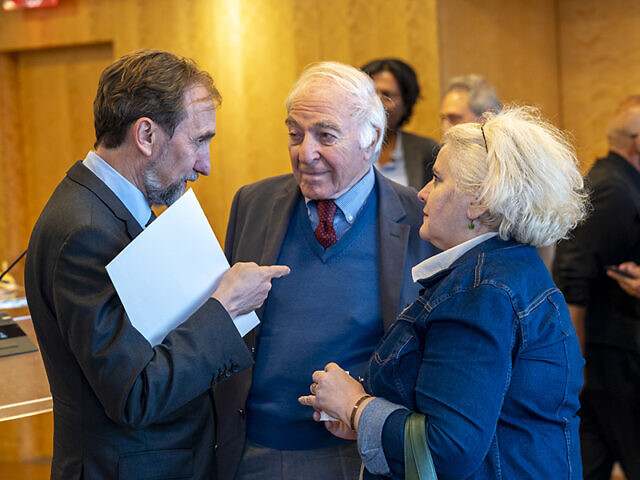
On September 16th, IPI in partnership with the Asia Society, hosted a reception to open the exhibit of the global WISH TREE project by Yoko Ono.
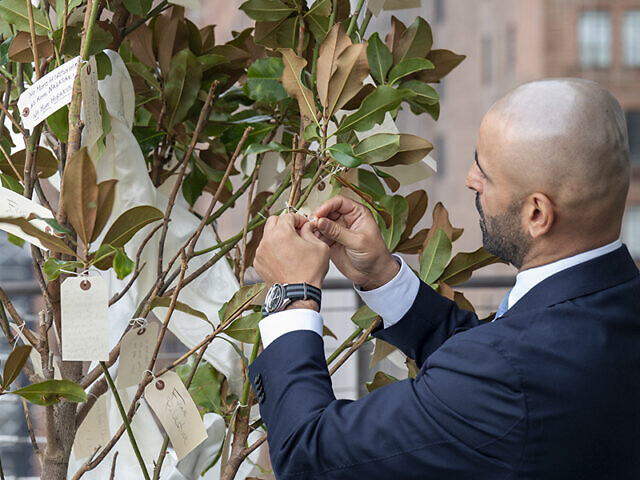
Since 1996, Yoko Ono has invited people from around the world to write their personal wishes and tie them to a tree branch as WISH TREE.
WISH TREE is an interactive art installation by the artist Yoko Ono where participants write wishes for peace on tags and tie them to a tree’s branches. These wishes become a visual testament to collective hope and continue on in connection with Ono’s IMAGINE PEACE TOWER in Reykjavík, Iceland.
The project invites people to reflect on peace and unity, transforming the tree into a symbol of global aspiration.
Welcoming Remarks:
Zeid Ra’ad Al Hussein, President and CEO, International Peace Institute (IPI)
Debra Eisenman, Executive Vice President & COO, of The Asia Society; Founding Director & Senior Fellow, Asia Society Policy Institute
Opening Remarks:
Katia Mead, Representative of IPI’s Art for Peace Committee; and Director of the US Nominating Committee, Praemium Imperiale
The post Art for Peace: IPI’s Exhibit of the “WISH TREE” by Yoko Ono appeared first on International Peace Institute.
Sexual Exploitation, Abuse, and Harassment (SEAH) in UN Peace Operations
Event Video
Watch Event in French Photos
Watch Event in French Photos


jQuery(document).ready(function($){$("#isloaderfor-qbvinw").fadeOut(300, function () { $(".pagwrap-qbvinw").fadeIn(300);});});
Download Report in English | French
Download Report in English | French
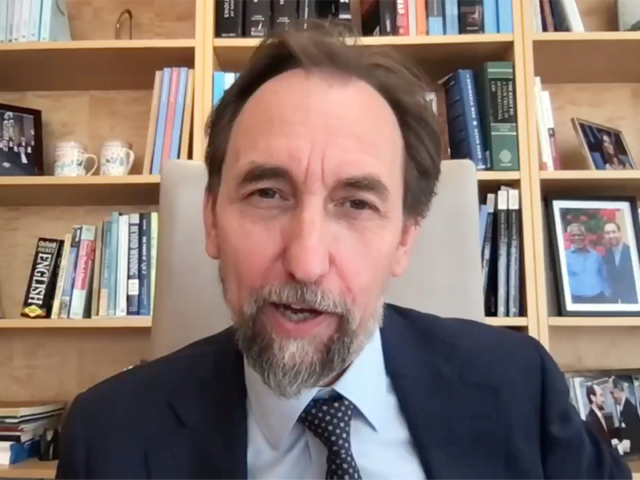
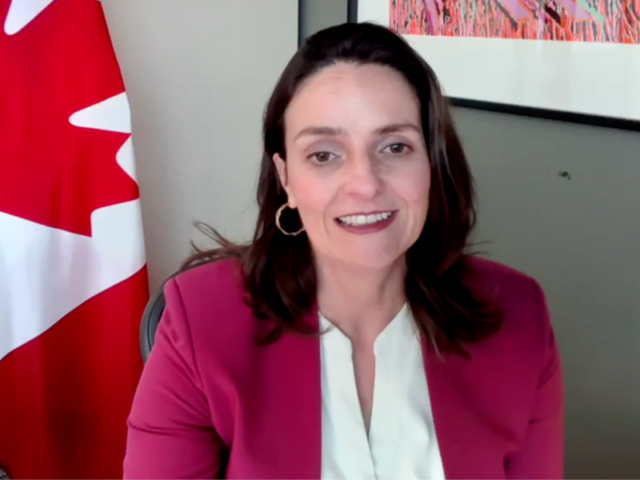
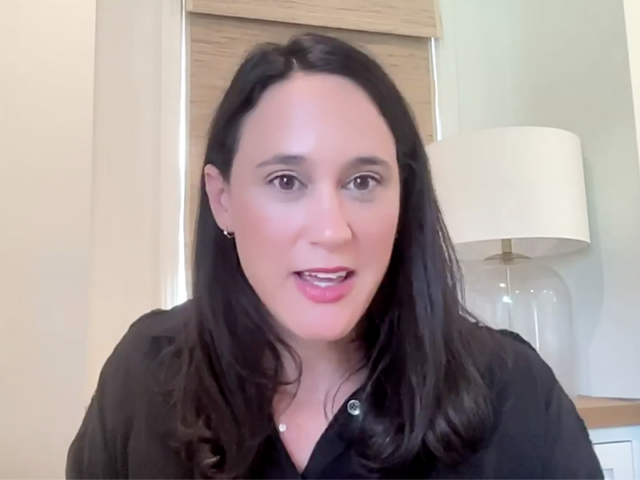
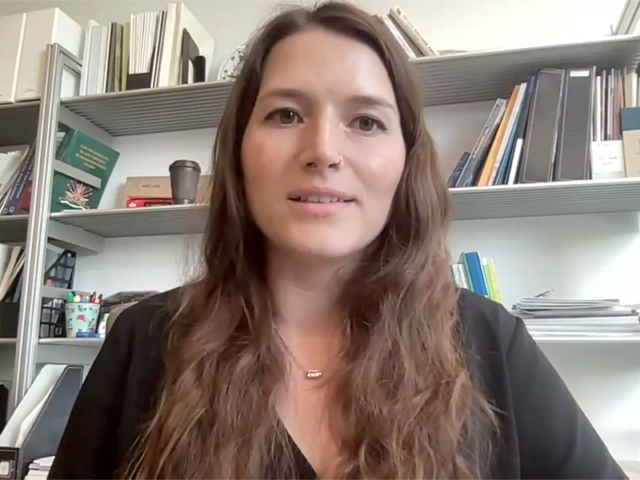
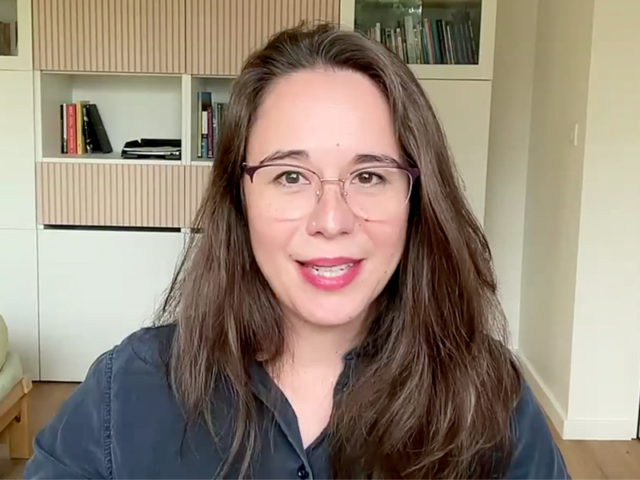
IPI’s Women, Peace and Security program, in partnership with the Elsie Initiative for Women in Peace Operations (led by Global Affairs Canada), the United Nations Office of the Special Coordinator on Improving the UN Response to Sexual Exploitation and Abuse and the Gender and Security Sector Lab, cohosted a virtual policy forum on July 30th on “Sexual Exploitation, Abuse, and Harassment (SEAH) in UN Peace Operations.”
As part of its ongoing partnership with the Elsie Initiative, IPI is launching two issue briefs that contribute to improving the United Nations’ approach to preventing sexual exploitation and abuse (SEA) and sexual harassment (SH) in UN peace operations.
One of the issue briefs, “Connecting Sexual Exploitation and Abuse and Sexual Harassment in UN Peace Operations,” examines the divide between SEA and SH, arguing for a shift toward the more holistic concept of sexual exploitation, abuse, and harassment (SEAH). This step could allow the UN to better prevent both SEA and SH by addressing the gendered power imbalances that lie at their root. The second issue brief, “Training on Sexual Exploitation and Abuse for Uniformed Peacekeepers: Effectiveness and Limitations,” published in collaboration with the Gender and Security Sector Lab, explores the effectiveness of UN-mandated training on SEA. The paper highlights key findings from an analysis of cross-national survey data representing more than 4,000 military and police personnel, considers the effectiveness and limitations of current SEA trainings, and provides recommendations for enhancing the prevention of SEA.
Panelists discussed recommendations for improving the UN’s approach to combating and preventing SEAH, making peacekeeping safer for peacekeepers and the populations they serve.
Welcoming and Opening Remarks:
Zeid Ra’ad Al Hussein, President and Chief Executive Officer, International Peace Institute
Jacqueline O’Neill, former Women, Peace and Security Ambassador for Canada, Director, Global Affairs Canada
Phoebe Donnelly, Senior Fellow and Head of Women, Peace and Security, International Peace Institute
Speakers:
Christian Saunders, Under-Secretary-General and Special Coordinator on Improving the UN Response to Sexual Exploitation and Abuse
DeAnne Roark, Postdoctoral Scholar, Gender and Security Sector Lab
Olubuckola Awoyemi, Chief Conduct and Discipline Officer, MINURSO
Evyn Papworth, Policy Analyst, Women, Peace and Security, International Peace Institute
Aiko Holvikivi, Assistant Professor in Gender, Peace and Security, The London School of Economics and Political Science
Moderator:
Phoebe Donnelly, Senior Fellow and Head of Women, Peace and Security, International Peace Institute
The post Sexual Exploitation, Abuse, and Harassment (SEAH) in UN Peace Operations appeared first on International Peace Institute.
Categories: Afrique, Diplomacy & Defense Think Tank News
Zeid Ra’ad Al Hussein: The Two-State Solution Needs A Credible Path Forward
Watch Remarks
Watch Full event on UN Web TV>>
IPI President Zeid Ra’ad Al Hussein addressed the UN High-Level Conference on “The Peaceful Settlement of the Question of Palestine and the Implementation of the Two-State Solution” on July 28th, urging the international community to focus on moving past diplomatic gestures and vague visions. He stressed that short of clear and collective action with specific policy commitments based on a recognised sovereign and contiguous Palestinian state, the two-state solution will remain an abstraction.
Read his remarks in full:
Thank you, Your Highness, Excellencies, distinguished delegates, friends.
I am grateful to be joining Presidents Mary Robinson and Juan Manuel Santos, as the third external speaker to this morning’s session; and would like to begin by thanking our Co-chairs France and the Kingdom of Saudi Arabia – not only for their leadership on this topic, but also for their insistence this conference centres on the specific actions needed to realise a two-state solution.
Our Co-Chairs are also right to think the greatest threat to the viability of a two-state solution is a staggering international community that lacks an understanding of either what a workable two-state solution actually entails, or of the path we must all take to get there, once the terrible atrocities in Gaza stop. In other words, how can we transition from rubble to renewal without a compelling and credible vision for what renewal means?
Others may argue this differently, claiming the main obstacle to peace is not so much the violent extremists on both sides who demand the complete removal or destruction of the other – that is perhaps too obvious a point – rather it is the filing down in both societies of those who believe peace is possible. Such is the depth of fear, anger, and fatalism that now marks the prevailing mood.
After all, virtually all Palestinians, Arabs, Muslims, and many others accuse the Israeli leadership of committing acts of genocide in Gaza, this on top of a long and cruel military occupation of Palestine. The Israeli government, the US Administration, and some European leaders see Israel as fighting a violent enemy which threatens it existentially, an enemy that murdered Israeli civilians cold-bloodedly almost two years ago, and took hostages. Many people around the world see truth in both views.
Despite conceding the reality of the present moods and hatreds swirling within the two populations, what is fortunate about a vision of two states is that, like any other vision, it need not correspond exactly with the current psychology of Israelis and Palestinians. A vision is not for today’s emotional audit, but for a tomorrow when new imperatives have inspired both populations, and not because the vision would be something utterly fanciful; quite the opposite, a two-state solution would have to be practical to gain support.
This is why one of the first lessons to draw on from decades of failed efforts to resolve this conflict is that wholesale vagueness about the endgame is not strategic— it is dangerous. It empowers rejectionists and weakens those who believe peace is still attainable.
Today, as we have heard many speakers say, leading figures in Israel’s far-right government are openly articulating a vision of permanent occupation, territorial annexation, and forced displacement. And they are acting accordingly, taking steps every day to implement their vision through concrete policies and actions on the ground. The international community cannot counter this with carefully worded platitudes. What is needed is a clear, collective affirmation of the two-state solution—not as an abstraction, but with specific policy commitments: a full end to the occupation, borders based on the 4 June 1967 lines, and a sovereign, contiguous Palestinian state. Short of this, recognition of Palestine will remain symbolic and will do little to transform the lives of Palestinians on the ground and effect meaningful progress towards Palestinian self-determination.
Now this is not a fantasy.
Palestinians and Israelis, working together, have developed a vision for a two-state solution that can work, and they have devised elegant and symmetrical solutions to issues like settlements, refugees, and Jerusalem; core issues that have divided them in the past.
The first point this vision articulates is this: a viable peace must address the emotional and deep connection felt by both Israelis and Palestinians to all the land, from the river to the sea. The vision also addresses the need for two distinct and sovereign states as a means of facilitating self-determination for two peoples and ensures a complete end of the military occupation. And it also overcomes past obstacles to the achievement of a two-state settlement, proposing a just solution for the Palestinian refugee population and a framework for Jerusalem while guaranteeing access to it. And it achieves all of this in a way that ensures Israel can maintain a Jewish voting majority.
So how can this be done?
There would be two states, but one homeland. The path to reach it entails, as a starting poin,t an acceptance of the Armistice Line as it was prior to 4 June 1967 as the border between the two states — with, at most, minor territorial adjustments, rather than more significant swaps or the sweeping annexation contemplated by other proposals. Israeli settlers who wish to remain in their homes would have the option of becoming permanent residents of the State of Palestine. They would pay their taxes, abide by local law, and enjoy full protection of their rights, as is the case with permanent residents in almost all countries. All Palestinian refugees will, in turn, have the right to become citizens of Palestine, but they would also have the option of becoming permanent residents of Israel, creating a path for return. Israeli Arabs would remain Israeli citizens and would be guaranteed full equality. Over time, there will be freedom of movement for all throughout and across both states. Jerusalem would be given special status. There will be some confederal institutions, including a human rights court as an appellate body.
A mechanism will need to be devised to bind the two states together—possibly through a cleverly designed, regionally anchored security arrangement—to prevent unilateral abrogation. As a first urgent transitional step, a reconstruction and rehabilitation mission should be established with an international mandate and based on a regional partnership. To succeed, this mission must prioritise restoring political and economic links between the Gaza Strip and the West Bank, which Israel and the PLO have recognized as constituting a single territorial unit.
Finally, Israel’s approach of achieving security through domination and fragmentation of Palestinian life— by imposing a stranglehold on Palestinian territory, institutions, and leadership, and by the undermining of UNRWA over the years — has hitherto produced only a notion of security for Israel. It has deepened Palestinian dispossession, inflicted great harm and degraded the Palestinian civilian population and threatened regional stability. Years of these measures, and the expensive fortified fences and sensor arrays surrounding Gaza, did not prevent the atrocious attacks of October 7. The lesson for Israel is not to double down on fortification, separation, and militarisation — after all, there will always be new ways to inflict harm on Israeli citizens in the absence of a just peace. What has worked has been mutuality —a sense of equality in status and obligation–and cooperation. This is why Israel’s peace treaties with Egypt and Jordan have been so durable. They were born not out of dominance, but respect for sovereign equality and territorial inviolability.
It is on these foundations that this vision of meaningful and durable renewal, this vision of Two-States One Homeland, was conceived — not in abstraction, but grounded in law, shaped by pragmatism, and sustained by a shared attachment to the land that both Israelis and Palestinians call home.
I thank you for your attention.
The post Zeid Ra’ad Al Hussein: The Two-State Solution Needs A Credible Path Forward appeared first on International Peace Institute.
Categories: Afrique, Diplomacy & Defense Think Tank News
Training on Sexual Exploitation and Abuse for Uniformed Peacekeepers: Effectiveness and Limitations
Sexual exploitation and abuse (SEA) by UN peacekeepers continues to undermine the organization’s legitimacy and effectiveness. While training on SEA is required for all UN personnel deploying to UN peace operations, there is little data available on how effective these trainings are. This paper presents the first quantitative analysis of SEA training’s effectiveness, using original survey data from more than 4,000 uniformed personnel in ten countries.
The analysis reveals that SEA training has a significant positive impact on attitudes and knowledge about SEA. Personnel who completed pre-deployment SEA training were substantially more likely to recognize that SEA would violate their national policy, to consider SEA to be serious, and to express willingness to report SEA. The analysis also found that UN deployment increases the likelihood that personnel will receive various gender-related trainings beyond SEA. However, despite pre-deployment SEA training being mandatory, a significant proportion of deployed peacekeepers reported never receiving this training.
Although the quantitative analysis shows positive links between SEA training and views on SEA and reporting, the paper also explores limitations in current approaches to SEA training. Interviews and workshops with training experts underscored the need for SEA trainings to contextualize and apply the material rather than focus on prescriptive instruction. SEA training also needs to focus on behavioral and cultural change rather than mere policy compliance. The paper concludes that while current SEA training shows measurable positive effects on attitudes and knowledge, improvements in delivery methods and enforcement of training requirements are necessary to maximize this training’s effectiveness and create lasting institutional change.
The post Training on Sexual Exploitation and Abuse for Uniformed Peacekeepers: Effectiveness and Limitations appeared first on International Peace Institute.
Categories: Diplomacy & Defense Think Tank News, Europäische Union
Ten-Year Review of the High-Level Independent Panel on Peace Operations Report
Event Video
Photos
Photos
jQuery(document).ready(function($){$("#isloaderfor-aanzuq").fadeOut(300, function () { $(".pagwrap-aanzuq").fadeIn(300);});}); Download the Report
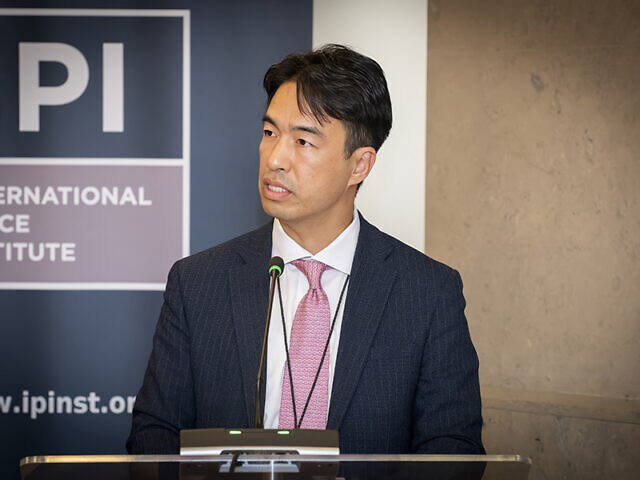
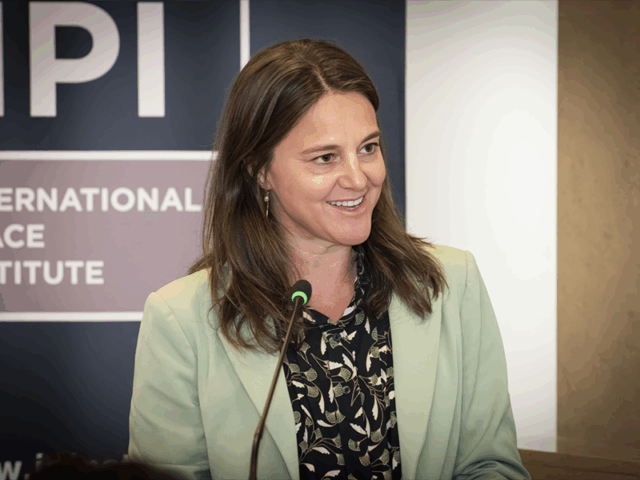
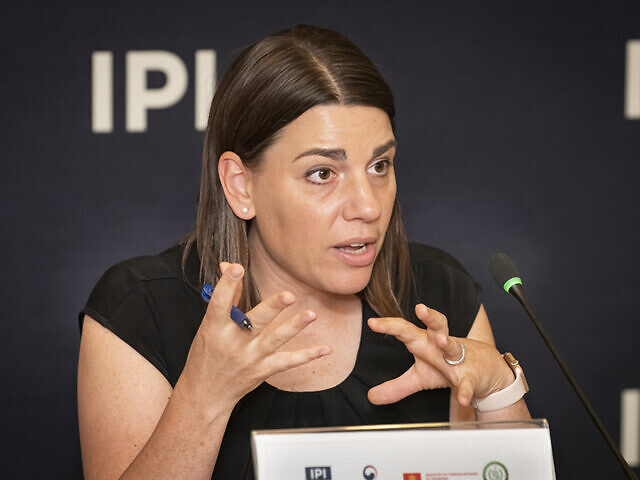
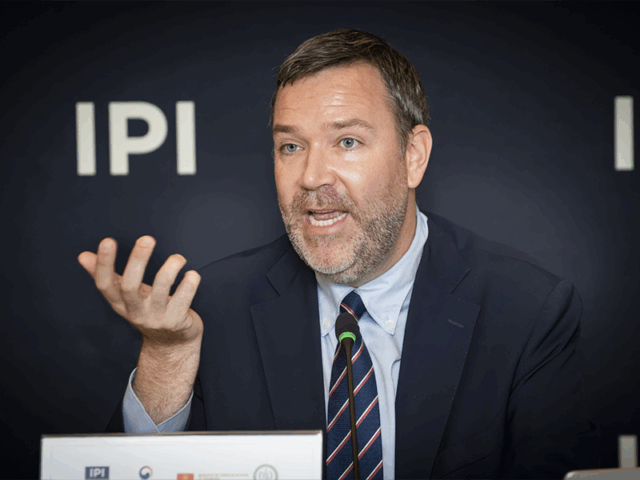
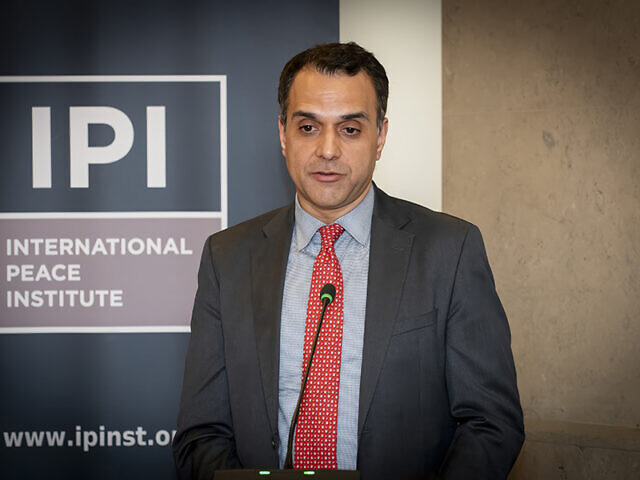
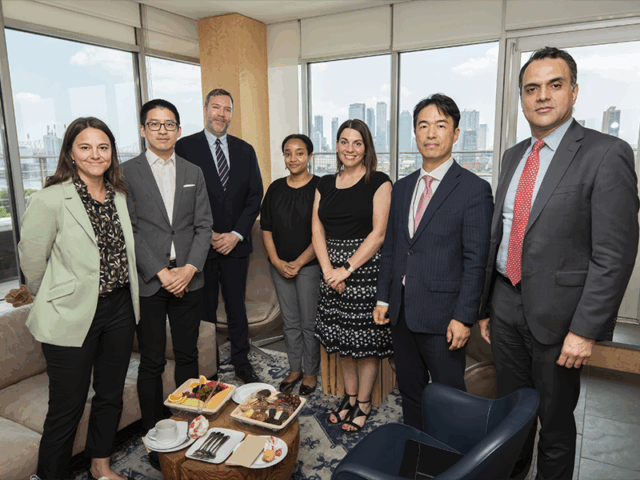
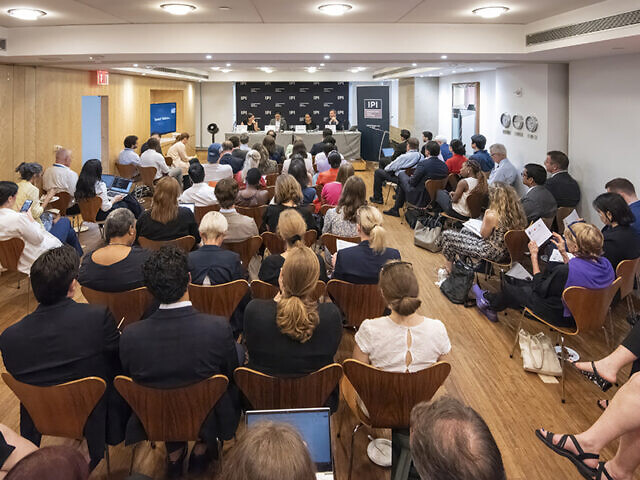
IPI, together with the Permanent Missions of the Republic of Korea, Denmark, and Pakistan to the United Nations, cohosted a policy forum on the “Ten-Year Review of the High-Level Independent Panel on Peace Operations (HIPPO) Report” on July 8th.
The purpose of this event was to revisit the findings and recommendations of the 2015 HIPPO report in light of current policy discussions. The event also served to launch an IPI publication on the ten-year review of the High-Level Independent Panel on Peace Operations Report written by Jenna Russo, IPI Director of Research and Head of the Brian Urquhart Center for Peace Operations; Bitania Tadesse, IPI Policy Specialist for Africa; and Ilianna Kotini, IPI intern at the Brian Urquhart Center for Peace Operations.
This event and publication are part of IPI’s workstream on the HIPPO report funded by the Republic of Korea.
Opening Remarks:
H.E. Hyunwoo Cho, Deputy Permanent Representative of the Republic of Korea to the United Nations
H.E. Sandra Jensen Landi, Deputy Permanent Representative of Denmark to the United Nations
Speakers:
Jenna Russo, Director of Research and Head of the Brian Urquhart Center for Peace Operations, International Peace Institute
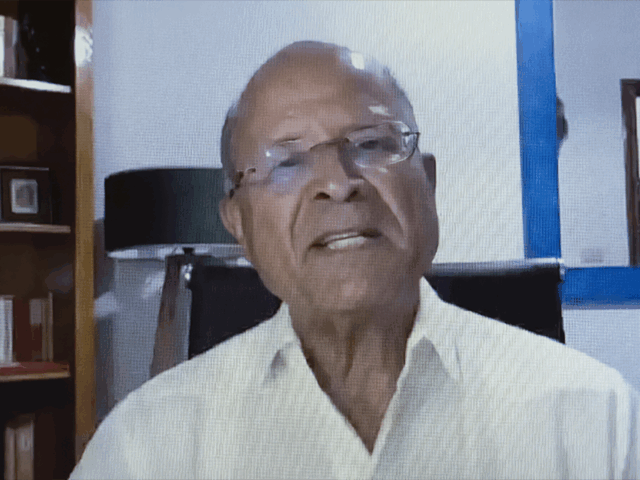
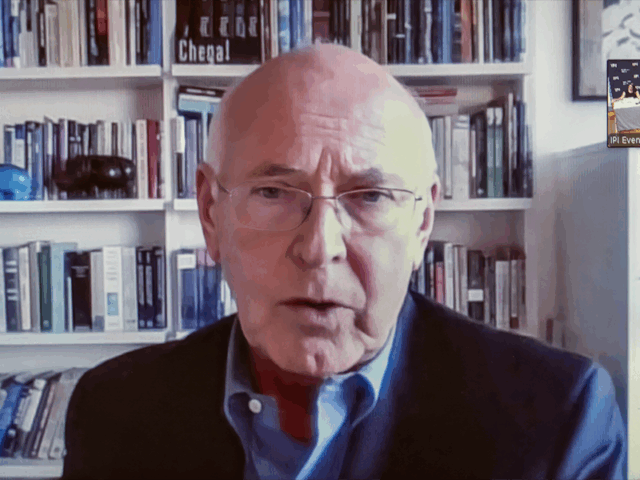
Youssef Mahmoud, Senior Adviser Emeritus, International Peace Institute, and former HIPPO panel member (VTC)
Ian Martin, former HIPPO panel member and former Special Representative of the Secretary-General (VTC)
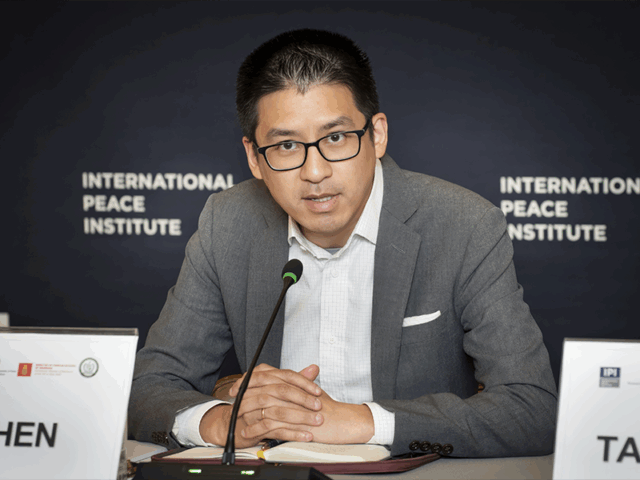
Eugene Chen, Senior Fellow, New York University’s Center on International Cooperation
Dirk Druet, Non-resident Fellow, International Peace Institute
Moderator:
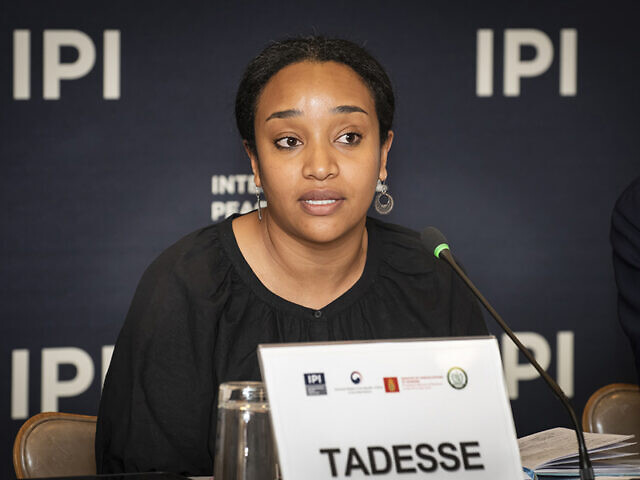
Bitania Tadesse, Policy Specialist for Africa, International Peace Institute
Closing Remarks:
H.E. Muhammad Usman Iqbal Jadoon, Deputy Permanent Representative of Pakistan to the United Nations
The post Ten-Year Review of the High-Level Independent Panel on Peace Operations Report appeared first on International Peace Institute.
Categories: Afrique, Diplomacy & Defense Think Tank News
Ten Years after HIPPO: Assessing Progress and Charting the Future of UN Peace Operations
Ten years after the High-Level Independent Panel on Peace Operations (HIPPO) released its landmark report “Uniting Our Strengths for Peace,” UN peace operations face new challenges that test the UN’s capacity to adapt to an evolving global landscape. As the UN examines the future of peace operations, it is timely to review the recommendations of the HIPPO report, many of which remain pertinent to today’s policy discussions.
This report reassesses the findings of the HIPPO report in light of today’s peace operations contexts, analyzes where there has and has not been progress, and considers how the HIPPO report can be useful to current discussions. Overall, today’s peace operations operate in a more challenging environment than in 2015, facing a more divided Security Council, severe financial constraints, and questions about the UN’s legitimacy. Nonetheless, the report concludes that many of HIPPO’s core insights remain relevant, and the findings and recommendations of the HIPPO report can help inform current policy discussions on the future of peace operations:
- UN80 Initiative: The secretary-general should articulate a clear vision guided by the New Agenda for Peace and Pact for the Future, ensuring cuts do not compromise the UN’s readiness to deploy peace operations or institutional memory.
- Review on the Future of Peace Operations: The Secretariat should use this review to identify what forms of peace operations the UN is best positioned to support and the capacities needed to backstop these efforts effectively.
- Modular Approaches: The Secretariat should develop frameworks for implementing modular mission designs while ensuring critical areas of work like the protection of civilians, gender, and human rights remain prioritized in streamlined mandates.
- Peacebuilding and Prevention: All member states should develop national prevention strategies as called for in the Pact for the Future, and the UN should consider pooling early-warning resources with regional organizations.
- Political Primacy: The secretary-general should clarify what the primacy of politics means in contexts without viable peace processes, encompassing politics beyond the signing of a formal agreement at the national level.
- Advancing Partnerships: The UN should embrace more ambitious partnerships that leverage its normative independence while drawing on regional organizations’ proximity to crises, focusing on prevention and mediation alongside peace enforcement.
The post Ten Years after HIPPO: Assessing Progress and Charting the Future of UN Peace Operations appeared first on International Peace Institute.
Categories: Afrique, Diplomacy & Defense Think Tank News
Keeping Sudan in Focus: Policy Options for the Protection of Civilians
Sudan’s war has left millions in need of protection, as civilians continue to endure mass displacement, famine, widespread violence, and grave human rights violations. Despite commitments to international humanitarian law and the protection of civilians, both the Sudanese Armed Forces and Rapid Support Forces have persistently targeted civilians, and international efforts to protect them have so far been insufficient. While ceasefire negotiations remain stalled, the protection of civilians cannot wait, and the international community must act now.
This report examines the policy options available to member states, the UN, and regional actors to support the protection of civilians in Sudan. It highlights feasible measures that can be taken even as ceasefire negotiations remain elusive, including the following:
- Navigating a Divided Security Council: Security Council members, particularly the three African members, could pursue a new resolution on Sudan with backing from the African Union (AU); utilize informal mechanisms like Arria-formula meetings and subsidiary bodies of the council to build consensus; and organize a field visit to Sudan to engage stakeholders and elevate international attention.
- Leveraging the Role of the General Assembly: The General Assembly could continue to hold the Security Council accountable by convening debates following any future vetoes, support UN and AU fact-finding missions, and exercise normative power by adopting a resolution on civilian protection in Sudan.
- Foresight and Planning by the UN Secretariat: The UN Secretariat could undertake proactive scenario-based planning for the deployment of a future protection force or ceasefire monitoring mechanism, including by developing a comprehensive political strategy and implementation framework.
- Joint Efforts with Regional Actors: The AU should ensure it has a cohesive approach to the protection of civilians in Sudan by enhancing communication among African capitals and between Addis Ababa and New York. The UN and AU should also ensure their efforts are complementary, including by collaborating on their fact-finding missions and improving engagement between their genocide prevention offices.
- Contact Group to Steer the Protection Agenda in Sudan: A coalition of committed member states could establish a contact group on Sudan to develop a coherent political strategy, engage the warring parties and their backers with sustained diplomatic pressure, and create a dedicated mediation track for civilian protection.
The post Keeping Sudan in Focus: Policy Options for the Protection of Civilians appeared first on International Peace Institute.
Categories: Diplomacy & Defense Think Tank News, Europäische Union
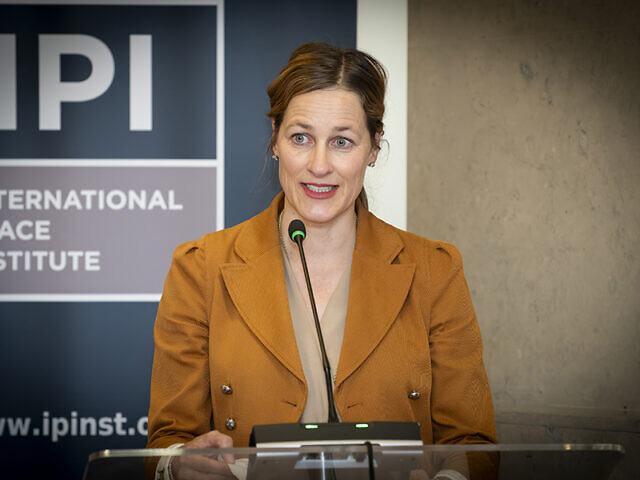
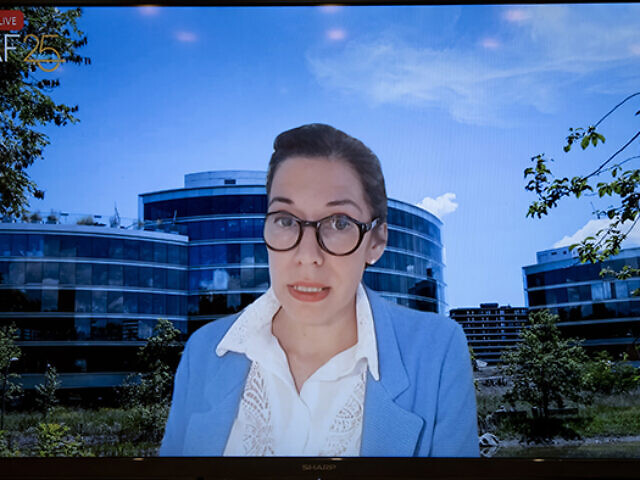
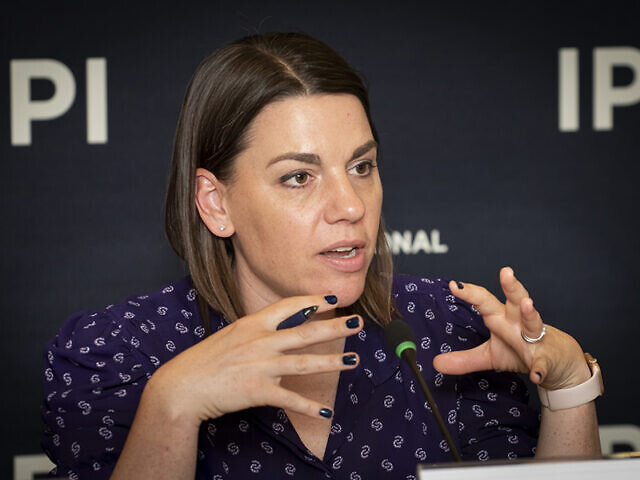
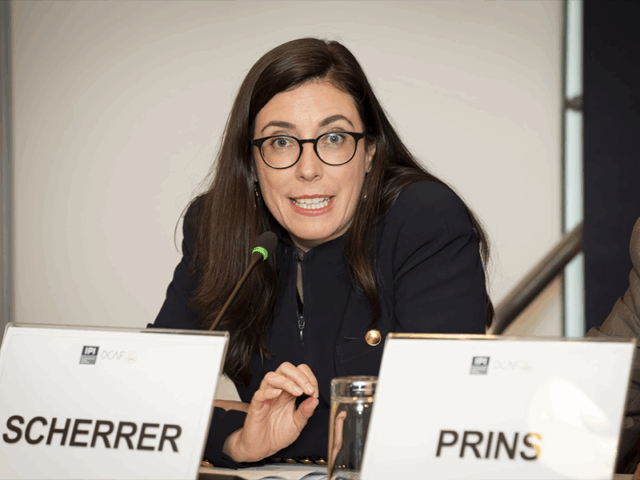
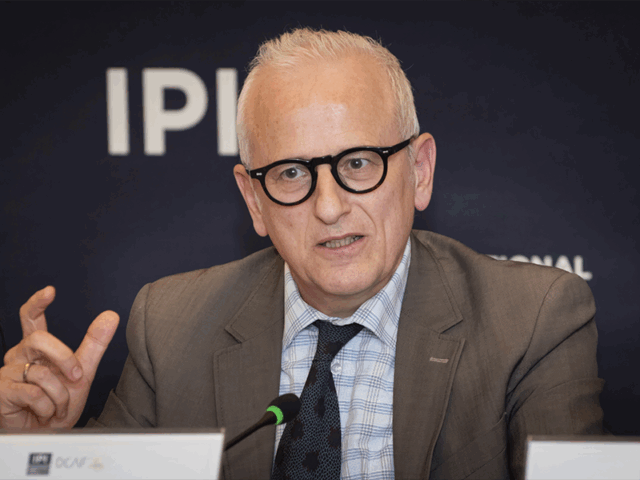
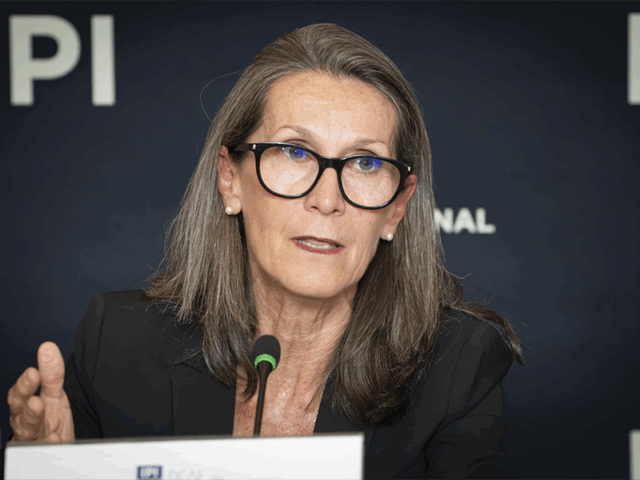
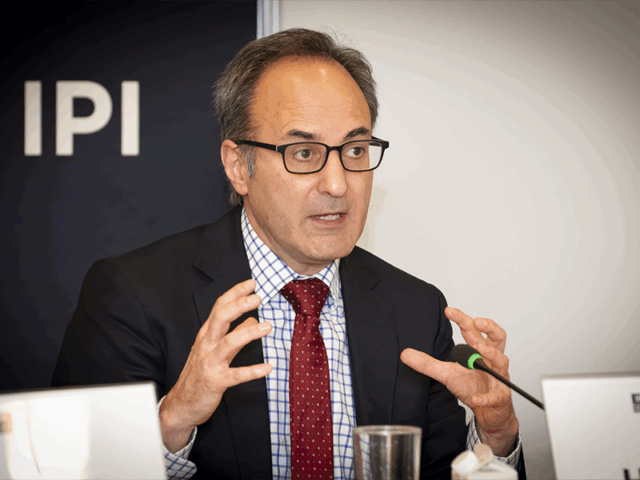
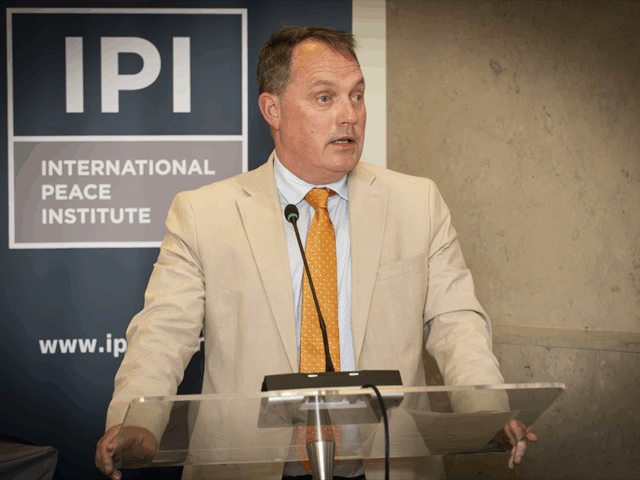
Modular, Effective, and Sustainable? Leveraging Insights from Security Sector Governance to Shape Tomorrow’s Peace Operations
Event Video
Photos
Photos

jQuery(document).ready(function($){$("#isloaderfor-rbycjo").fadeOut(300, function () { $(".pagwrap-rbycjo").fadeIn(300);});});
IPI and the Geneva Centre for Security Sector Governance (DCAF) cohosted an event on “Modular, Effective, and Sustainable? Leveraging Insights from Security Sector Governance to Shape Tomorrow’s Peace Operations” on June 3rd.
Recent discussions at the UN Peacekeeping Ministerial in Berlin emphasized the urgent need for more modular peace operations, improved mission effectiveness, and strengthened sustainability, particularly in the context of transitions and long-term peacebuilding. As the UN undertakes the review on the future of all forms of peace operations mandated by the Pact for the Future and undertakes efforts to shift toward more focused, adaptable models, key questions arise about how to reshape peace operations to meet today’s challenges.
Insights from peace operations’ support to security sector governance and reform (SSG/R) offer critical lessons. One concern is that modularity may lead to fragmented efforts, particularly if SSG/R continues to be treated as a stand-alone activity rather than a means to achieve broader strategic goals. DCAF’s recent study, “Review of Security Sector Reform Language in the Mandates of UN Peace Operations,” commissioned by Switzerland, highlights missed opportunities and recommendations to improve such efforts.
Opening Remarks:
Riccarda Chanda, Deputy Permanent Representative of Switzerland to the United Nations
Beatrice Godefroy, Deputy Director of DCAF – Geneva Centre for Security Sector Governance (virtual)
Speakers:
Vincenza Scherrer, Head of Policy Engagement, DCAF – Geneva Centre for Security Sector Governance
Daniel Prins, Chief of SSR Unit, UN Department of Peace Operations
Carole Baudoin, Security Sector Reform Chief, MINUSCA
David Haeri, Director, Division for Policy, Evaluation and Training, UN Department of Peace Operations
Closing Remarks:
Ed Caelen, Military Advisor, Permanent Mission of the Kingdom of the Netherlands to the United Nations
Moderator:
Jenna Russo, Director of Research and Head of the Brian Urquhart Center for Peace Operations, International Peace Institute
The post Modular, Effective, and Sustainable? Leveraging Insights from Security Sector Governance to Shape Tomorrow’s Peace Operations appeared first on International Peace Institute.
Categories: Afrique, Diplomacy & Defense Think Tank News
Minilateral Mechanisms for Peacemaking in a Multipolar World: Friends, Contact Groups, Troikas, Quads, and Quints
Informal “minilateral” coalitions of the willing and interested have long been a feature of peacemaking. Groups of states identified as “friends” of the mediator or a particular peace process and contact groups bringing together interested powers date back to concert diplomacy traditions and proliferated at the end of the Cold War as conflict resolution activity surged. The incidence of such informal mechanisms grew exponentially between 1990 and 2009.
This report assesses how these mechanisms have evolved in the years since 2010 and investigates their place in parallel to the UN’s efforts to mediate internationalized internal conflicts in Libya, Syria, and Yemen; peace processes in the Philippines, Colombia, and Mozambique taking place in relatively benign regional settings, as well as the anomalous case of Venezuela, where efforts toward a peaceful resolution of the political crisis were mired in international divisions; the geopolitically contested contexts of Myanmar and Afghanistan; and the democratic transition and descent into war in Sudan.
The report concludes that groups have the potential to build internal coherence among their members, as well as to elevate public messaging and facilitate information sharing, but they can also become a forum for competition between their members. In this context, the report offers lessons to help those considering whether a group is appropriate. The “right” group structure will depend on the context, and the adage of “form follows function” is critically important. It is key to set realistic expectations and, in some cases, accept that the “right” structure will be no group at all. Successful groups and partnerships all point to the importance of skilled individual mediators committed to working with each other, whether within a group or without an established mechanism. Finally, some contexts may defy attempts to design or deliver a coherent international peace architecture. In these cases, more modest goals related to specific or localized gains and incremental support to conflict parties and other affected communities should be pursued.
The post Minilateral Mechanisms for Peacemaking in a Multipolar World: Friends, Contact Groups, Troikas, Quads, and Quints appeared first on International Peace Institute.
Categories: Afrique, Diplomacy & Defense Think Tank News
UN Strategic Communications and the Protection of Civilians: The Role of UN Radio
Radio remains the most popular medium of communication in many countries where UN peacekeeping operations are deployed, and several missions have leveraged UN radio stations to communicate with local populations. UN strategic communications via radio can help reduce violence against civilians, both during and after armed conflict. This protective effect of UN radio is evident even in areas where no UN military peacekeepers are deployed.
This issue brief examines the protective impact of UN radio and the mechanisms through which strategic communications by peacekeepers may reduce violence. It identifies four main pathways: building trust in the mission and enhancing cooperation with peacekeepers’ protection activities; filling gaps in reliable information that might otherwise be filled by misinformation that incites violence; fostering pro-peace behavioral change among ordinary civilians; and incentivizing rank-and-file combatants to exercise restraint. The brief also argues that messages are more effective when they are perceived as accurate and informative by local audiences.
As the UN seeks to enhance strategic communications in peacekeeping operations, it must carefully manage several trade-offs. These include trade-offs between empowering civilians vs. exposing them to risk; ensuring that messaging is coherent vs. tailoring it to the local context; sustaining independent media vs. promoting national ownership; and expanding access to data vs. maintaining security and host-state consent.
The post UN Strategic Communications and the Protection of Civilians: The Role of UN Radio appeared first on International Peace Institute.
Categories: Diplomacy & Defense Think Tank News, European Union
Protection of Civilians by Police in UN Peace Operations
UN police (UNPOL) have long contributed to protection of civilians (POC) mandates, yet their role remains underexamined and often undervalued. As UN peace operations shift toward more flexible, lighter-footprint mission models and increasingly emphasizes regional partnerships, preventive approaches, and people-centered security, UNPOL could take on an expanded role. This could include greater involvement of UNPOL in addressing emerging protection threats related to urban violence, transnational crime, and cyber-related risks. However, future POC strategies must balance UNPOL’s strengths with other security tools to align expectations with capacity.
This issue brief examines UNPOL’s contributions to POC, focusing on their recent experience, emerging functions during mission transitions, and potential place in future models for peace operations. It highlights how UNPOL have played a vital role in reducing violence, engaging communities, supporting host-state law enforcement, and sustaining protection efforts during mission drawdowns. However, persistent challenges—including coordination gaps, militarization trends, limited data on effectiveness, and political constraints—continue to restrict their impact.
To make UNPOL’s contributions to POC more effective, the UN needs to focus more on police in high-level policy discussions, improve coordination across the rule-of-law sector, and strengthen data collection to assess the impact of UNPOL efforts. As peace operations adapt to evolving challenges, ensuring that UNPOL are properly resourced and embedded within mission planning will be key to realizing their full potential in protecting civilians.
The post Protection of Civilians by Police in UN Peace Operations appeared first on International Peace Institute.
Categories: Diplomacy & Defense Think Tank News, European Union
Pages
- « first
- ‹ previous
- 1
- 2
- 3
- 4
the old site is here



© 2012-2015 Europa Varietas Foundation © 2015-2020 Europa Varietas Association
www.europavarietas.org | info(@)europavarietas(dot)org | Switzerland
This is a GDPR ready site




We are looking for sponsors for the English translation of these books, please contact turkeandras(at)gmail(dot)com