
You are here
Feed aggregator
Media advisory - Agriculture and Fisheries Council of 26 May 2026
Main agenda items, approximate timing, public sessions and press opportunities.
Categories: Afrique, Európai Unió : hírek magyarul
Remarks by Kyriakos Pierrakakis following the Eurogroup meeting of 22 May 2026
Remarks by Eurogroup President Kyriakos Pierrakakis on the situation in the Middle East, economic outlook, housing and the digital euro.
Categories: Afrique, Európai Unió : hírek magyarul
Közel-Kelet: a Tanács kiterjesztette az uniós jogi keret hatályát az Irán által elkövetett, a jogszerű átkelést és a hajózás szabadságát akadályozó cselekményekben részt vevőkre
A Tanács úgy döntött, hogy mivel Irán katonai támogatást nyújt Oroszország Ukrajna elleni agressziós háborújához, valamint a Közel-Keleten és a Vörös-tenger térségében működő fegyveres csoportok és szervezetek részére, kiterjeszti a meglévő uniós korlátozó intézkedések hatályát azon személyekre és szervezetekre, akik, illetve amelyek fenyegetik a hajózás szabadságát a Közel-Keleten.
Categories: Afrique, Európai Unió : hírek magyarul
Council approves a deal on strengthening the welfare and traceability of cats and dogs
The Council formally adopts rules to strengthen the welfare and traceability of cats and dogs.
Categories: Afrique, Európai Unió : hírek magyarul
Kereskedelem: a Tanács jóváhagyta a fejlődő országoknak nyújtott kereskedelmi kedvezményekre vonatkozó szabályok szigorítását
Kereskedelem: a Tanács jóváhagyta a fejlődő országoknak nyújtott kereskedelmi kedvezményekre vonatkozó szabályok szigorítását
A Tanács egyes műtrágyák esetében egy évre felfüggesztette a vámokat
Az ipar és a fogyasztók költségeinek csökkentéséhez való hozzájárulásként, valamint az ellátási láncok diverzifikálása érdekében az EU egy évre felfüggeszti a mezőgazdaságban használt, nitrogénalapú termésnövelő anyagokra kivetett vámokat.
Media advisory - Competitiveness Council (Internal market, Industry, Research and Space) of 28 and 29 May 2026
Main agenda items, approximate timing, public sessions and press opportunities.
Categories: European Union, France
Council agrees position to simplify and strengthen food and feed safety requirements
Council agrees position to simplify and strengthen food and feed safety requirements.
Categories: European Union, France
Press briefing - EU-Western Balkans summit of 5 June 2026
The press briefing will take place on Thursday 28 May 2026 at 14:30.
Categories: European Union, France
Enlargement: Albania meets interim benchmarks for fundamentals cluster
The eighth meeting of the Accession Conference with Albania was held today in Brussels confirming that Albania has, overall, met the interim benchmarks and setting closing benchmarks for cluster 1: Fundamentals.
Categories: European Union, France
Human rights violations in Russia: EU restrictive measures extended until May 2027
The Council extended the framework for restrictive measures against those responsible for serious human rights violations and abuses in Russia and for the repression of civil society and democratic opposition in the country for a year, until 28 May 2027.
Categories: European Union, France
European electoral act: Council gives final green light to proxy voting for MEPs during pregnancy and after giving birth
Council greenlights proxy voting at the European Parliament by amending the European electoral act.
Categories: European Union, France
Council adopts new rules strengthening EU citizens’ right to vote and stand as candidates in local elections
Council strengthens rules on the right to vote and stand as a candidate in municipal elections for mobile EU citizens.
Categories: European Union, France
Press briefing - Competitiveness Council (Internal market, Industry, Research and Space) of 28 and 29 May 2026
Press briefing ahead of the upcoming Competitiveness Council (Internal market, Industry, Research and Space) will take place on Wednesday, 27 May 2026 at 14.00.
Categories: European Union, France
Remarks by President António Costa at the press conference following the EU-Mexico summit
The President of the European Council, António Costa, presented the main results of the leaders’ discussions during the eighth EU-Mexico summit, held in Mexico City on 22 May 2026.
Categories: European Union, France
Joint statement of the 8th EU-Mexico summit, 22 May 2026
The leaders of the European Union and Mexico held their 8th EU-Mexico summit in Mexico City on 22 May 2026, and agreed on a joint statement.
Categories: European Union, France
European Peace Facility: Council adopts the third bilateral assistance measure in support of the Albanian Armed Forces
The Council adopted a third assistance measure for Albania worth €21 million under the EPF.
Categories: European Union, France
Media advisory - General Affairs Council and 8th Accession Conference with Albania, 26 May 2026
Main agenda items, approximate timing, public sessions and press opportunities.
Categories: European Union, France
Weekly schedule of President António Costa
Weekly schedule of President António Costa, 25-31 May 2026.
Categories: European Union, France
Media advisory - Agriculture and Fisheries Council of 26 May 2026
Main agenda items, approximate timing, public sessions and press opportunities.
Categories: European Union, France
Pages

© 2012-2018 Europa Varietas Foundation © 2015-2018 Europa Varietas Association
www.europavarietas.org | info(@)europavarietas(dot)org | Switzerland
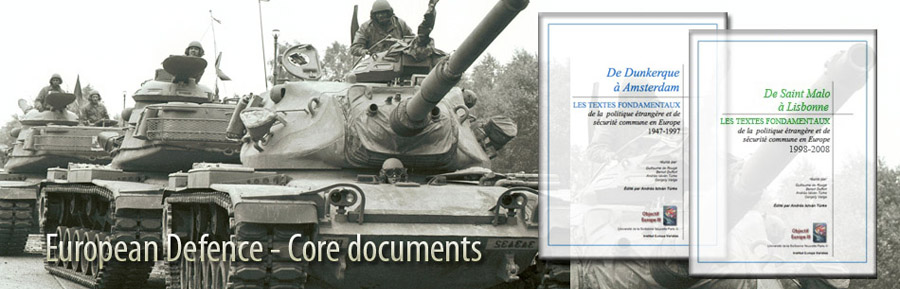
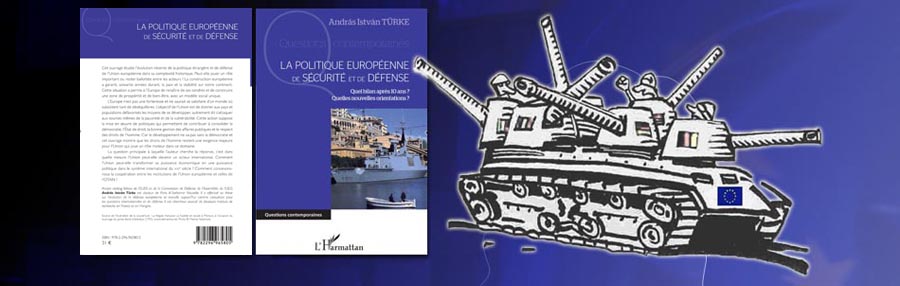
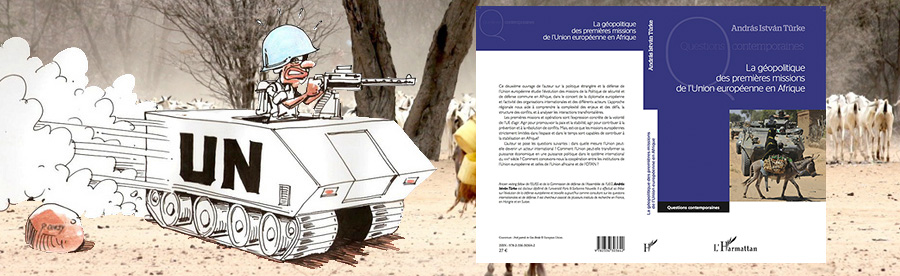
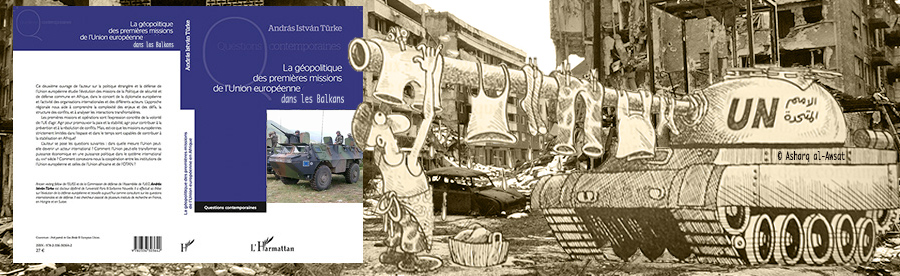
We are looking for sponsors for the English translation of these books, please contact turkeandras(at)gmail(dot)com